 Start here
Why your family's history matters at all
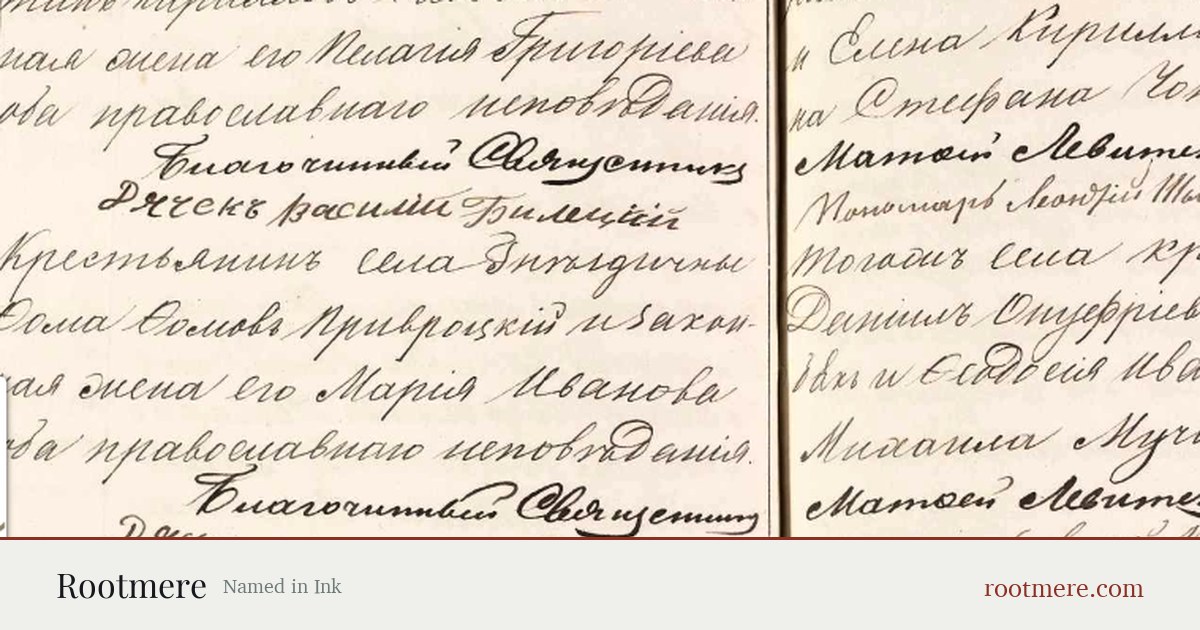
We fund national archives because a people that forgets keeps walking into its own past. Nobody argues with that — and nobody applies it one scale down, to where the decisions that shaped your life were actually taken.
 Then this
The story your family tells
We were nobility once. We came from nothing. They took everything. Almost every family repeats a sentence nobody has ever checked — and it quietly decides what its descendants think is possible.
 The reason most people never look
"We were just simple peasants"
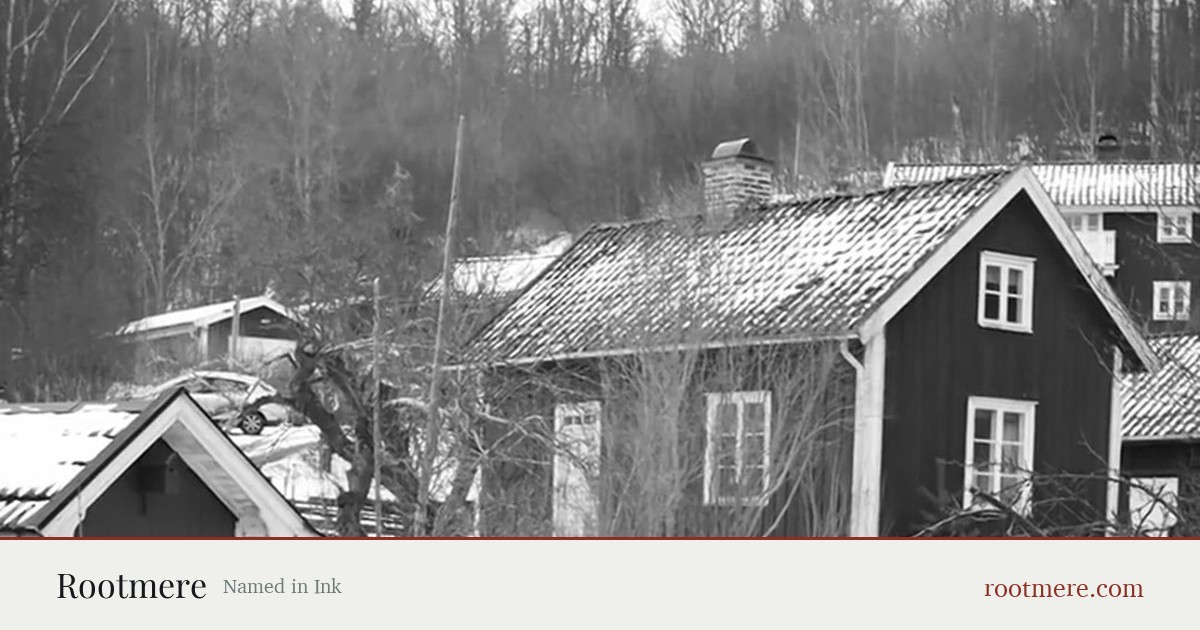
It sounds like modesty, but it works like a closed door. In this part of Europe the village was the most counted place in the empire: every baptism, every household, every field. "Simple" usually just means nobody has looked yet.
 Before it is too late
What leaves with one funeral
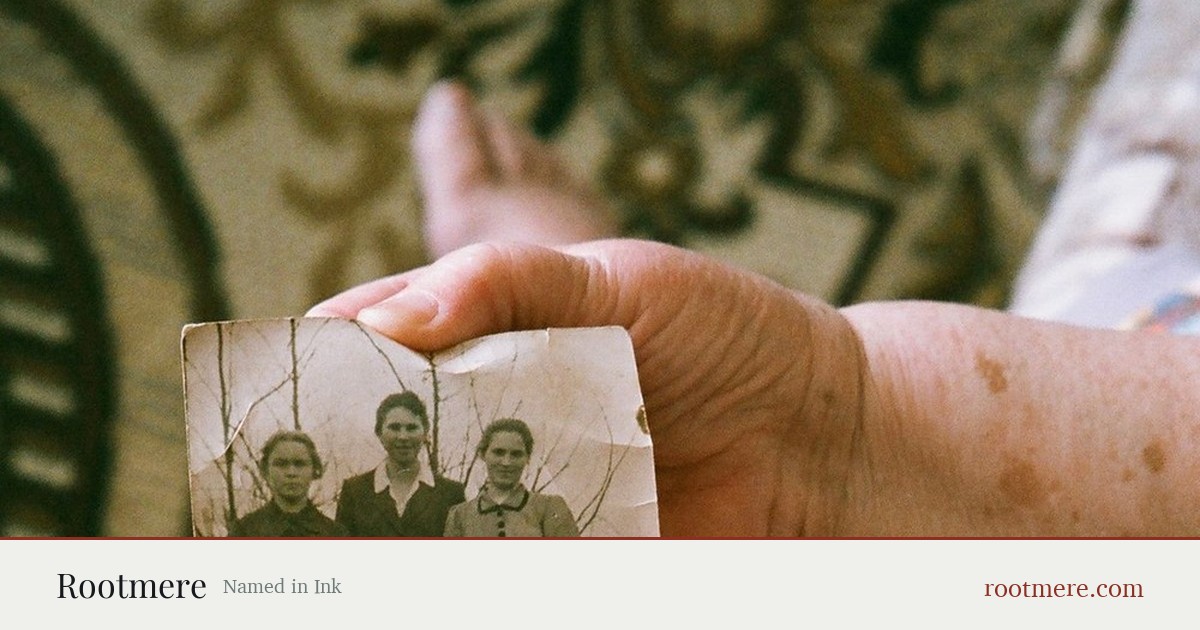
The parish books in Europe will wait. The one relative who still knows the village as it was said out loud, why they left, and who is in the photo box will not. Five questions worth recording this month.
 The question that is coming
The day a child asks where you're from
It arrives on its own schedule — a school map, a DNA kit, a new baby. Most families can answer with a country and a shrug, and a shrug is its own inheritance. Three true things to have ready before the question comes.
 If a test left you wanting more
Your DNA test gave you a percentage, not a person
A pie chart, a slice marked "Eastern Europe", a wall of cousins with usernames instead of faces — and, if you are honest, a little emptier than before. The test answers which populations your DNA resembles, never a single ancestor, village or church. The thing you wanted is written down elsewhere, and the way to it is a village name the kit never gave you.
 The box nobody can name
The faces with no names
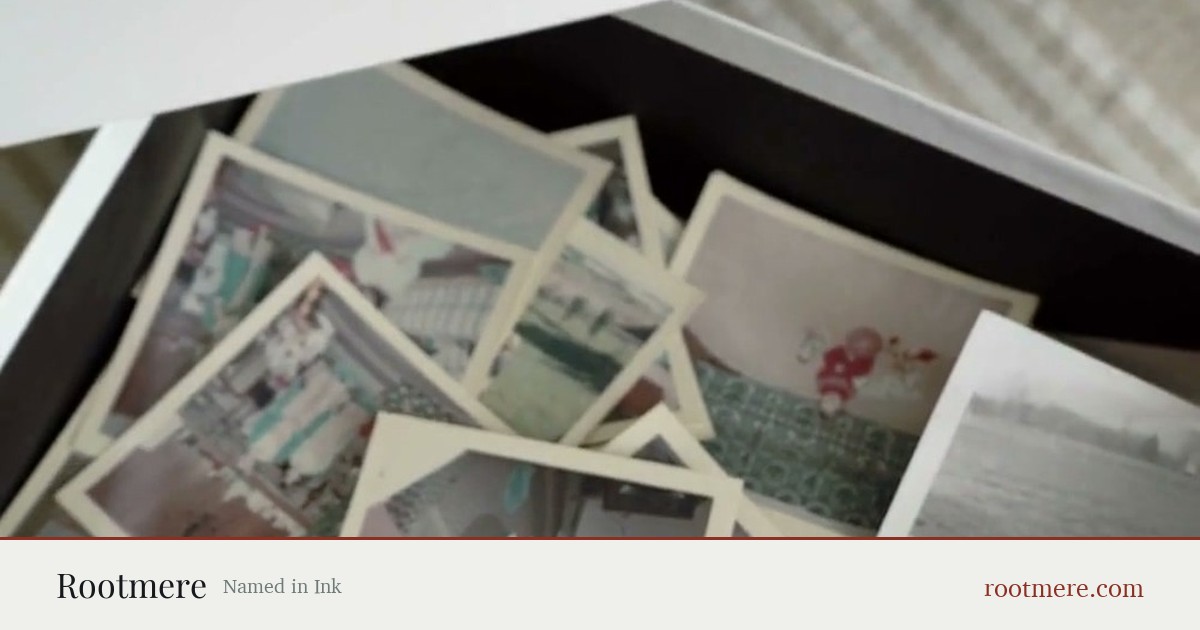
A shoebox the colour of weak tea: a wedding on a dirt street, a severe woman who looks a little like your mother, and no idea who most of them are. Someone knew, once. A face goes dark the day the last person who could name it does — and a record is how you turn a stranger in your closet back into your own.
 And about you
What your great-grandchildren will find
On paper you are thinner than your ancestors: four durable documents, and everything that gives them meaning sitting on platforms that will not outlive us. The century most at risk is the one closest to now.
 The first thing everyone asks
But surely it all burned
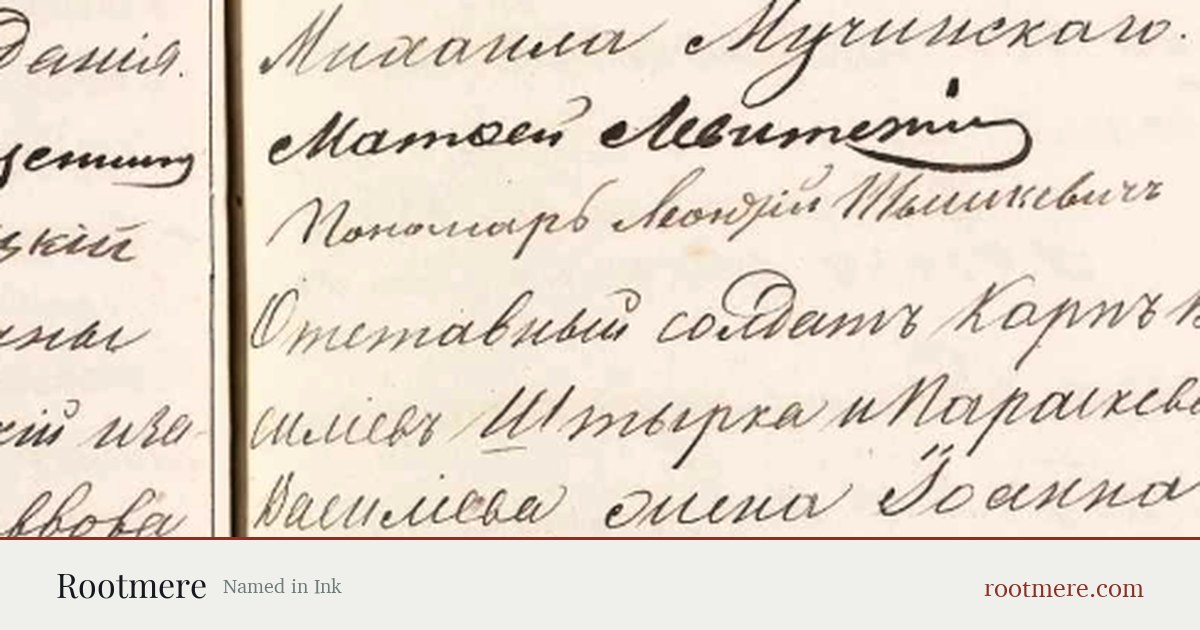
The wars went through twice, so people assume nothing survived and never start. Yet almost nothing in these archives was written down only once: the parish book, the diocesan duplicate, the civil registry's second copy and the microfilm are separate objects in separate countries. Most searches check one of them.
 The wall almost everyone hits
Poland is not where the records are
The archives were kept parish by parish, so a country is not a lead — you need one village. And its name is usually sitting in an American document: a naturalisation paper, the second page of a ship manifest, an old obituary. The search starts at home, not abroad.
 The four steps, plainly
How to find your Polish family's records
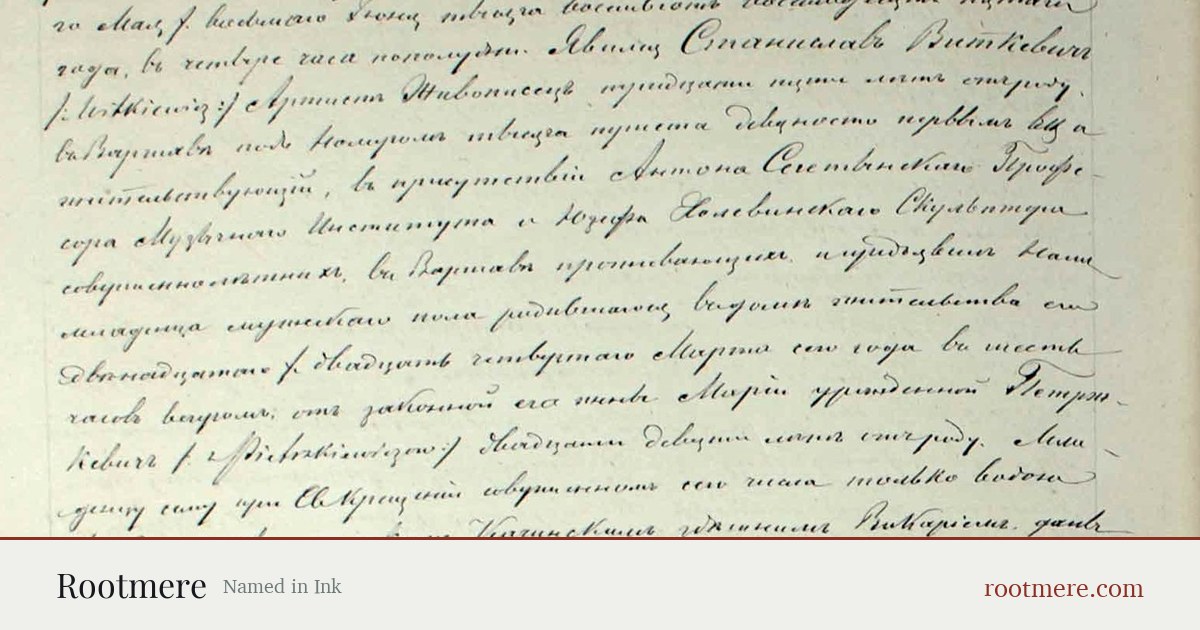
Once you have the village, there is a clear path. Work out which empire ruled it — that decides the language and the archive — then open the right free database, and read what you find. We lay out all four steps, and we are honest about the one where most searches quietly stop.
 Three empires, one family
Russian, Prussian, or Austrian?
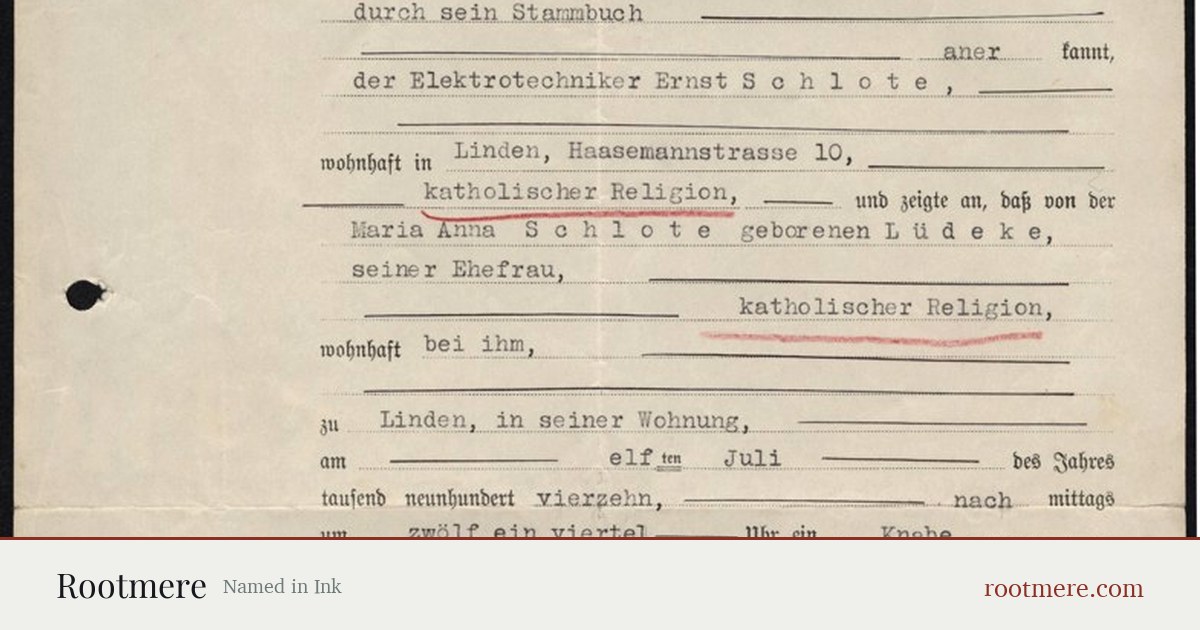
For over a century there was no Poland — the land was split three ways, and which empire ruled your village decides the language of its records, the archive that holds them, and how much survived. How to tell which one, and what each of the three means for your search.
 The name is a key, not a meaning
Your surname is the least interesting thing about your family
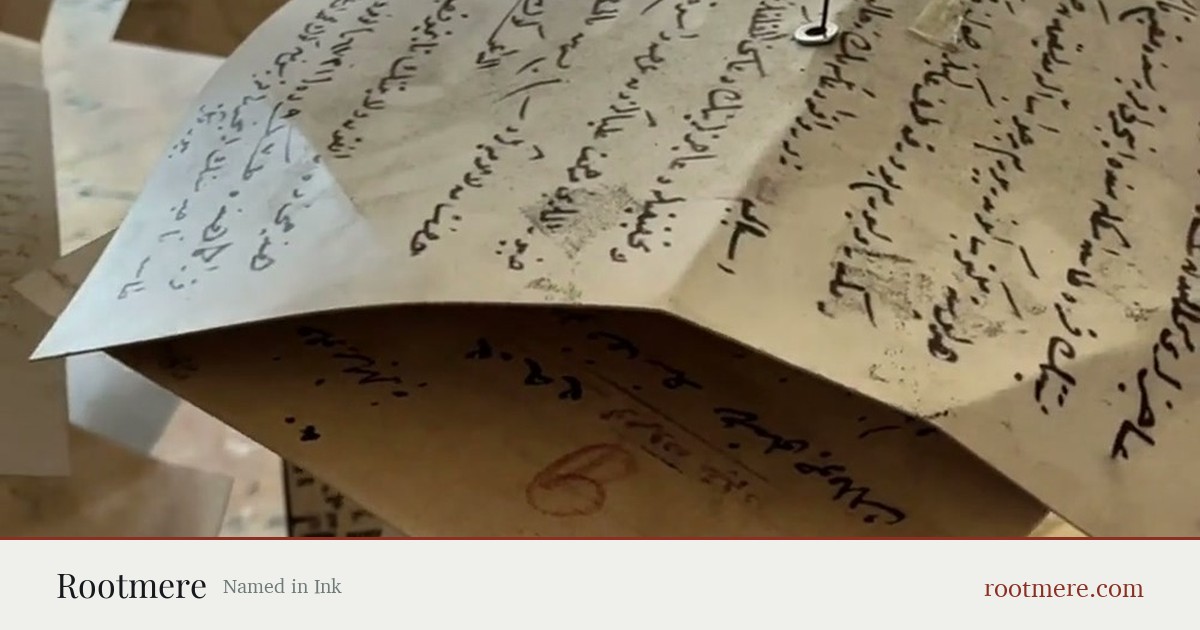
It is always the first move: type the family name in, get back a tidy paragraph that it means smith, or son of John. Then you pull the thread and nothing comes. The meaning of a surname is the one piece almost everyone can find and that tells you almost nothing about your own people. The family is in the record the name only labels.
 Why they went
They didn't leave because they wanted to
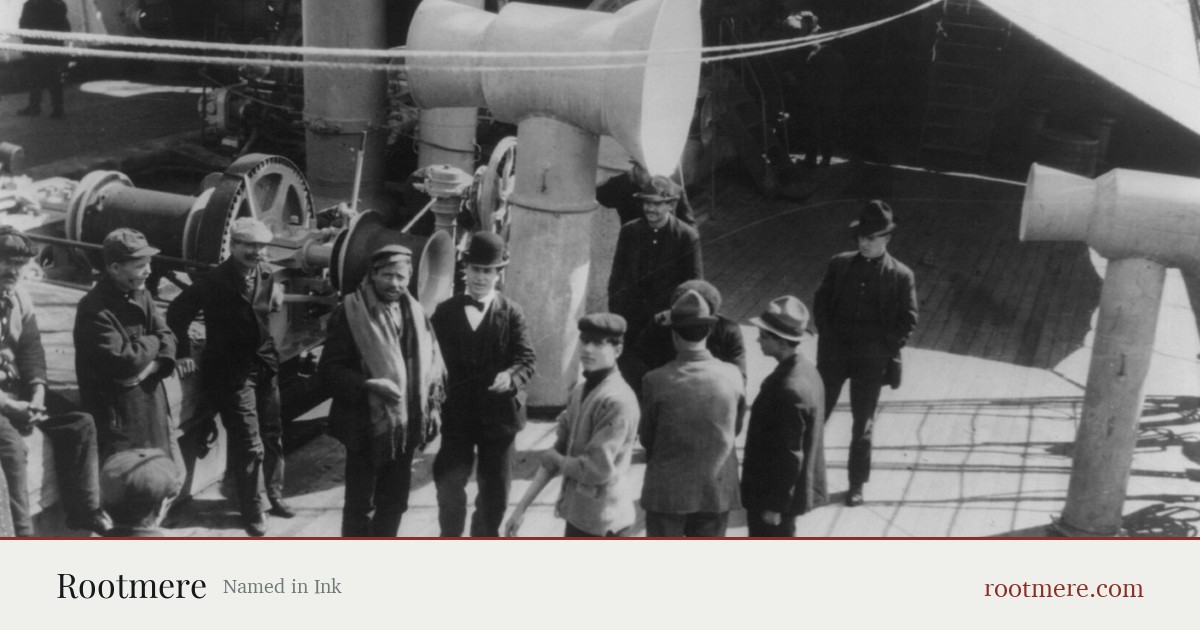
"Poor farmers who came for a better life" sounds complete, and a little dull. It leaves out that they were part of one of the largest movements of people in modern history, and that something had broken at home first. The reason is usually written in the parish books of the village they left.
 When the goal is a passport
The record your citizenship claim lives or dies on
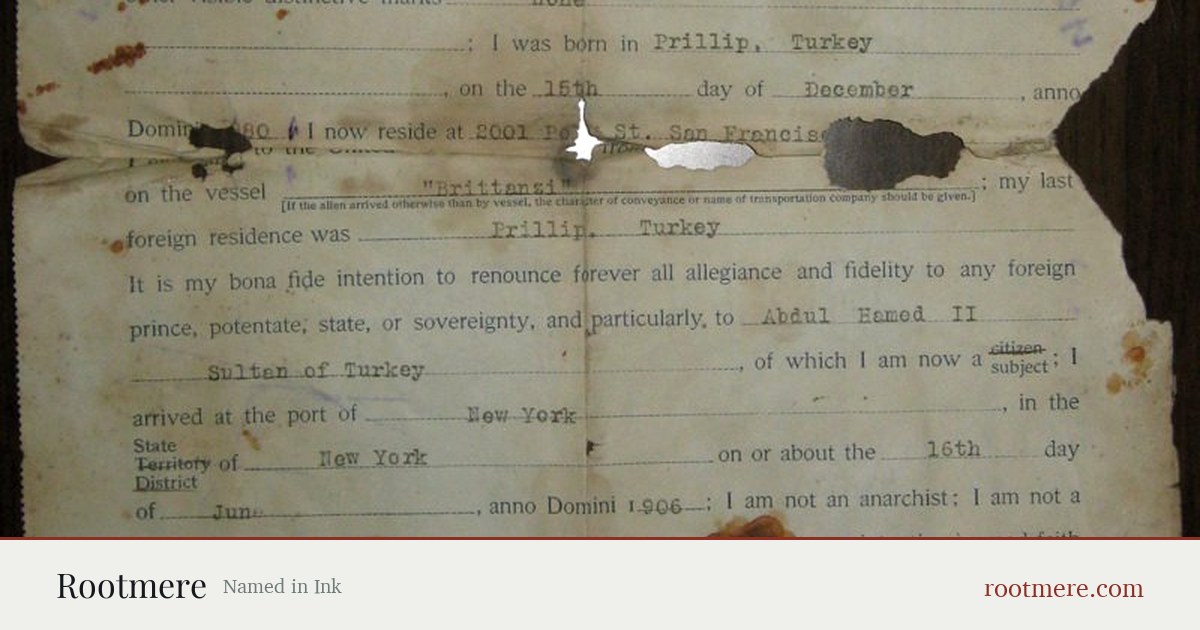
A citizenship-by-descent claim feels like a legal problem, but it stalls on one thing: the ancestor's record, kept in a parish abroad, often under a spelling you'd never recognise. The lawyer files the claim. Someone has to find the record first, and a border having moved does not move the citizenship.
 The family that stayed
Somebody stayed behind
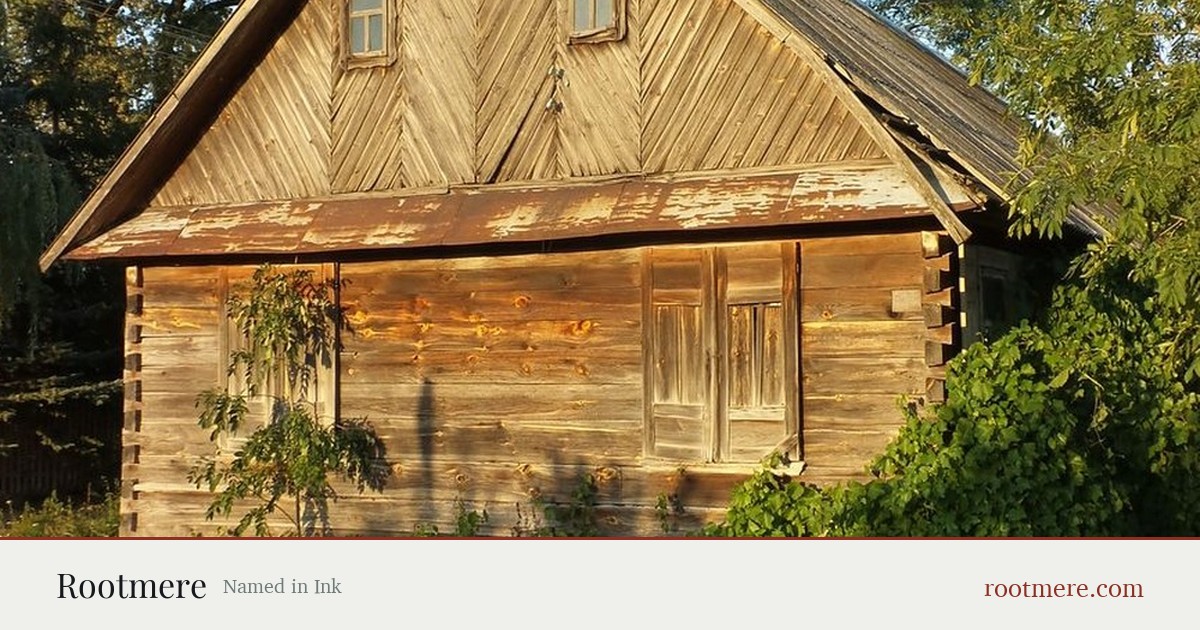
Almost every immigrant left a brother or sister at home. The same parish books that hold your ancestor hold them and their children, and the line can be followed forward until the archive goes quiet about a century ago.
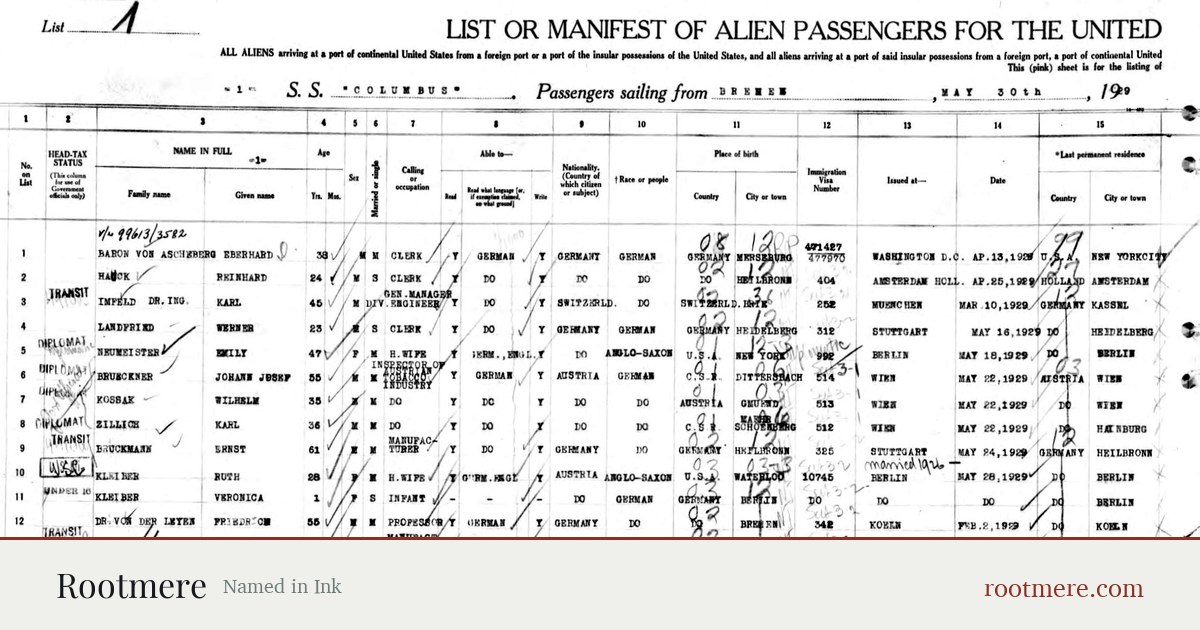 When the name "was changed at Ellis Island"
Nobody changed your name at Ellis Island
The clerk didn't write the name, he checked it against a list made in Europe. Families changed names later, by choice. So the old spelling is still written down, on the ship list and in the village books.
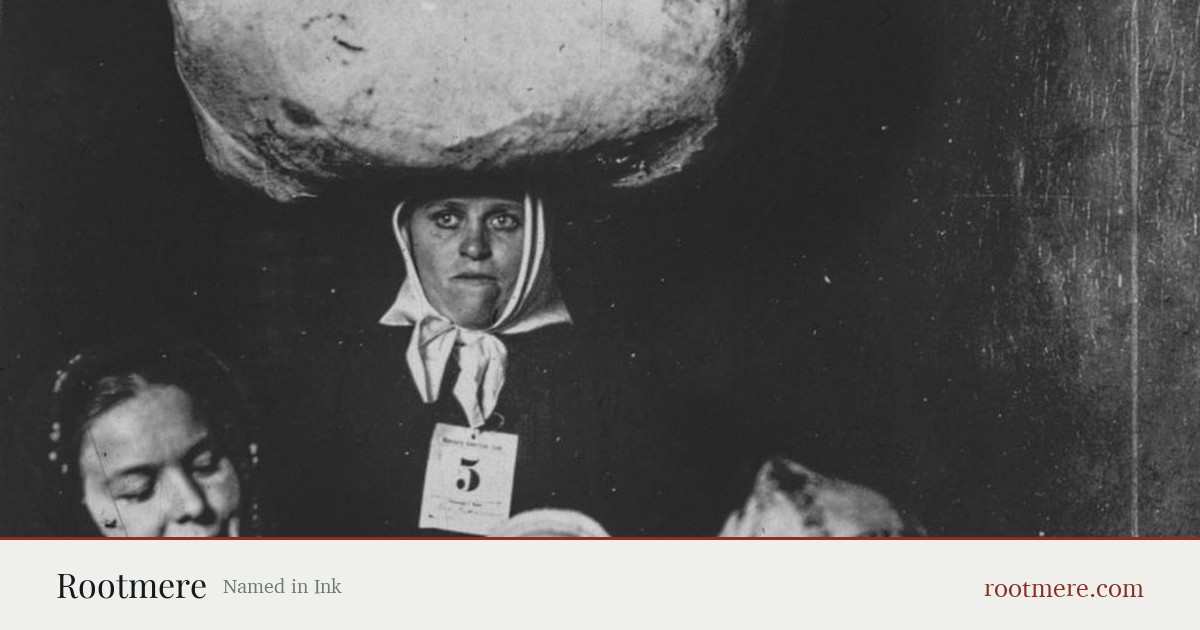 When "she never talked about it"
Grandma never talked about where she came from
Silence usually wasn't a secret. It hurt, or it didn't seem to matter. The parish books wrote everyone down the same way, and the American papers often name the village even when nobody at home did.
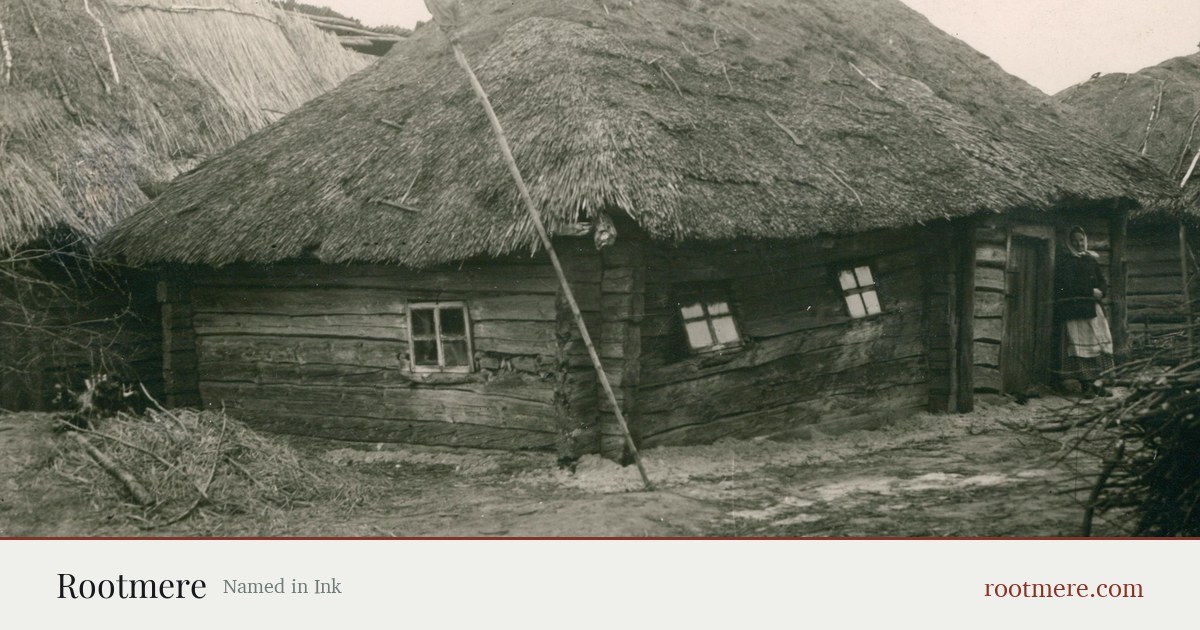 When you're looking at flights
You want to stand where they stood
Family memory is good on feelings and shaky on geography. Before you book, make sure it's the right village, and find the house number if the books give one.
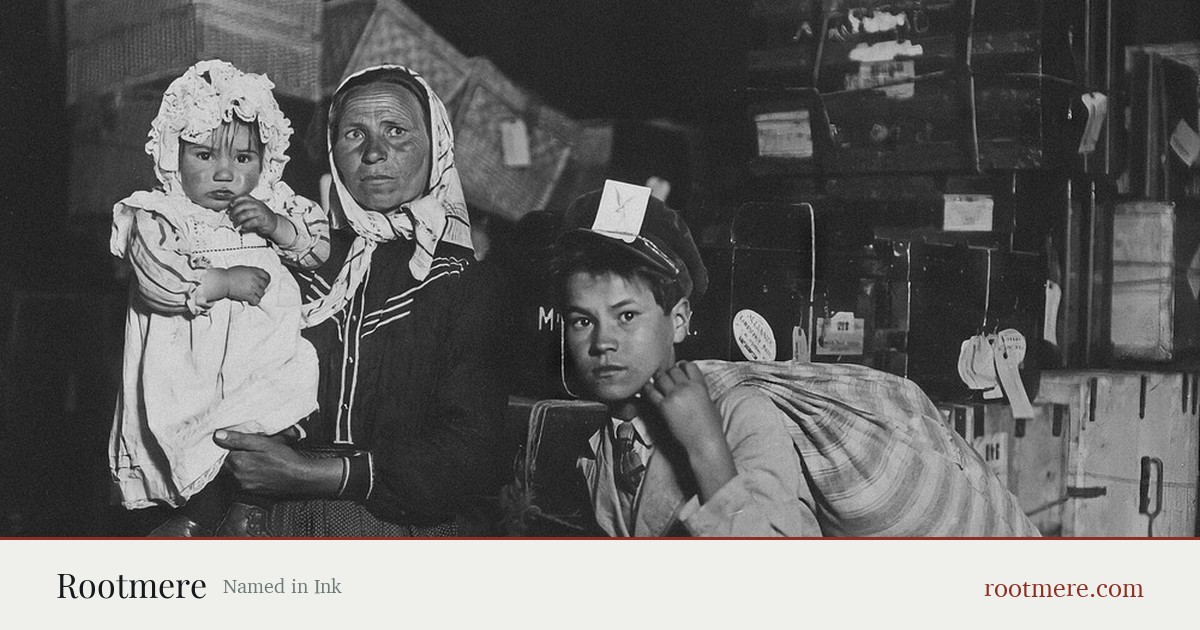 When there's a name nobody says
The one the family left out
An uncle who left, a first wife, a baby before the wedding. The family story closed around the gap. The parish books didn't.
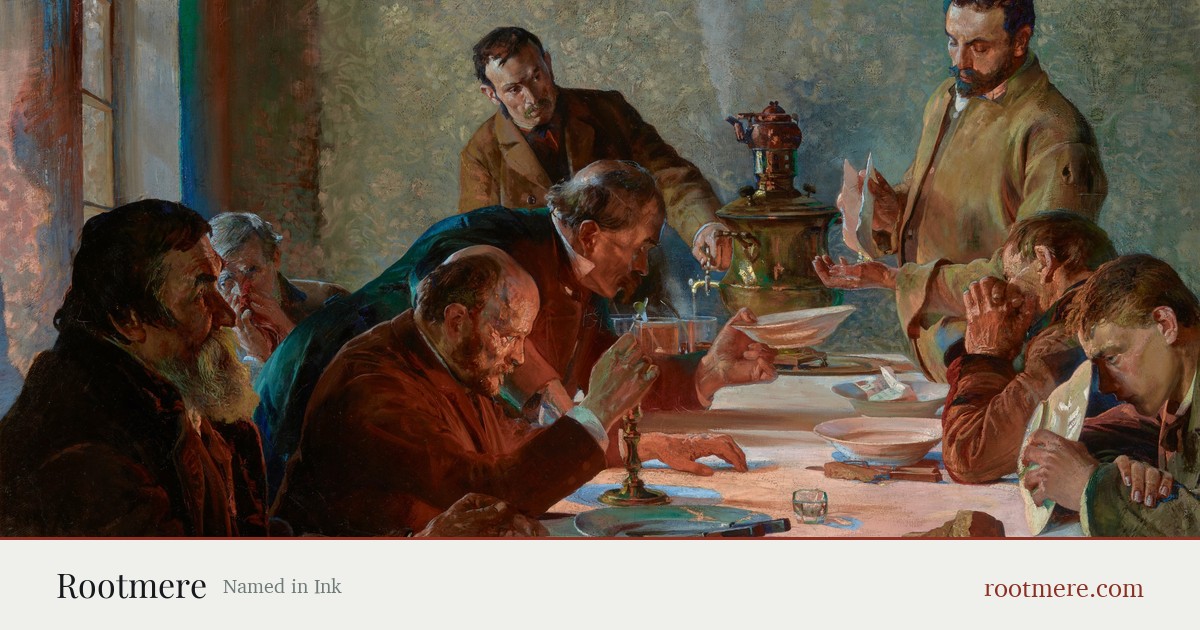 At Christmas Eve
Who the extra plate was for
The plate is still set. The names dropped off. Ask the oldest person at the table, and the parish books can do the rest.
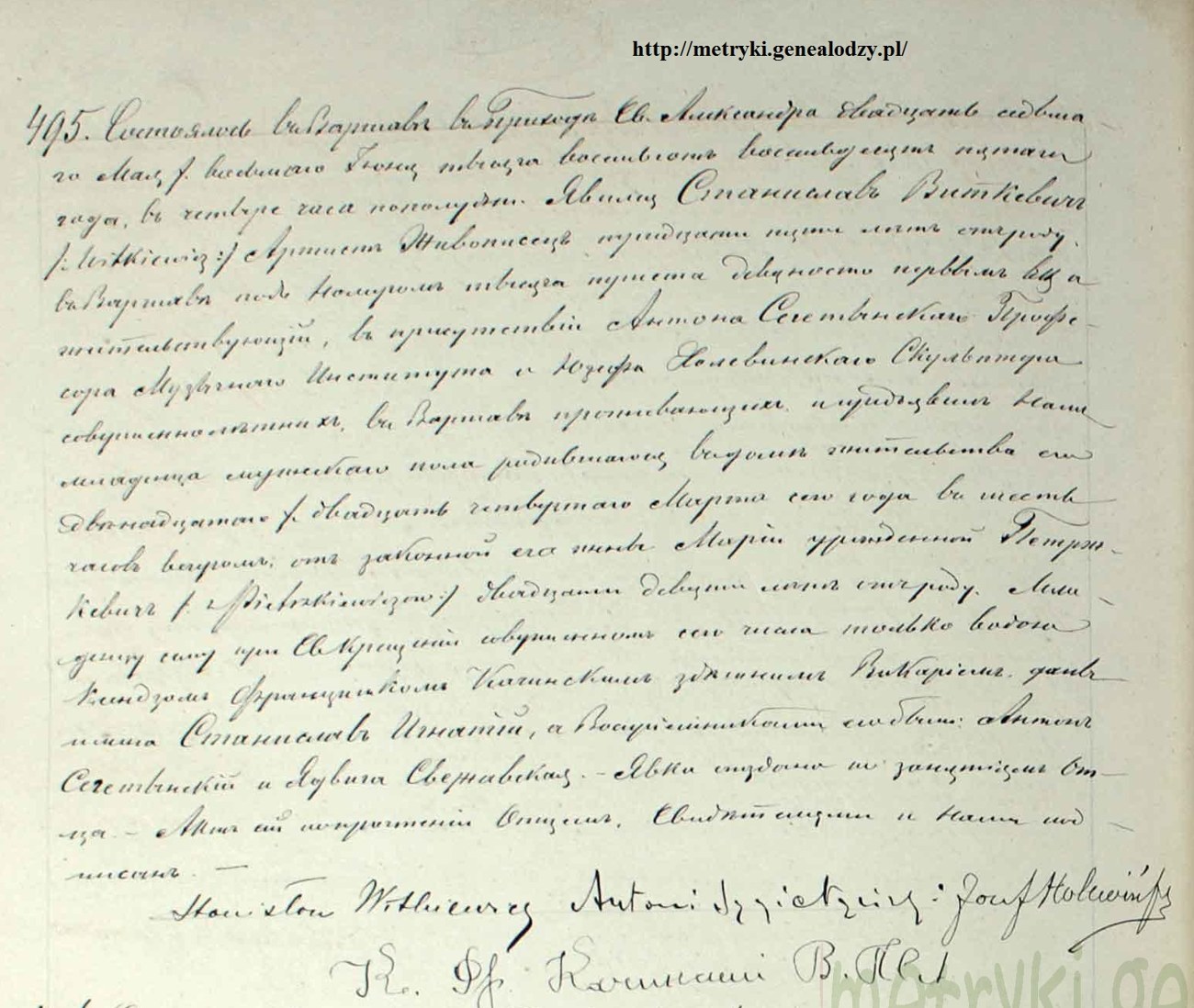 Straight answers
The questions people actually ask
Can anything be found if the church burned? How far back is realistic? Was the name changed at Ellis Island? Fourteen questions answered the way we would answer them on the phone, including where the answer is "probably not".
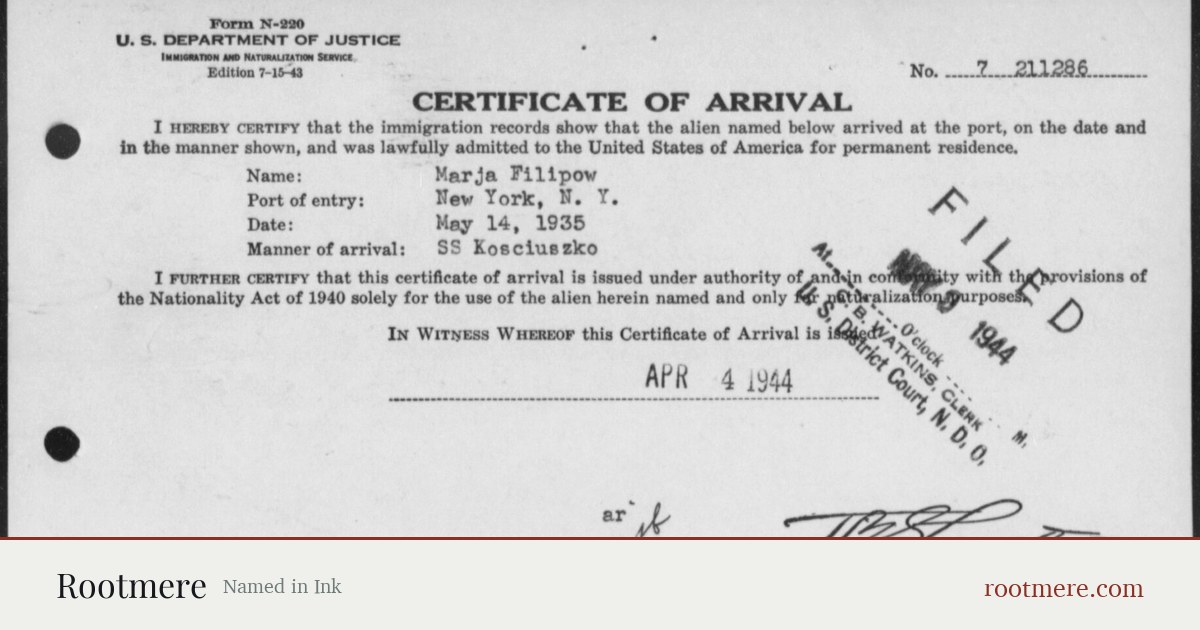 As a gift
For someone who has everything
Most presents are about the giver. This one is about one person and useless to anyone else on earth — and it grips people who never once thought about their ancestors.