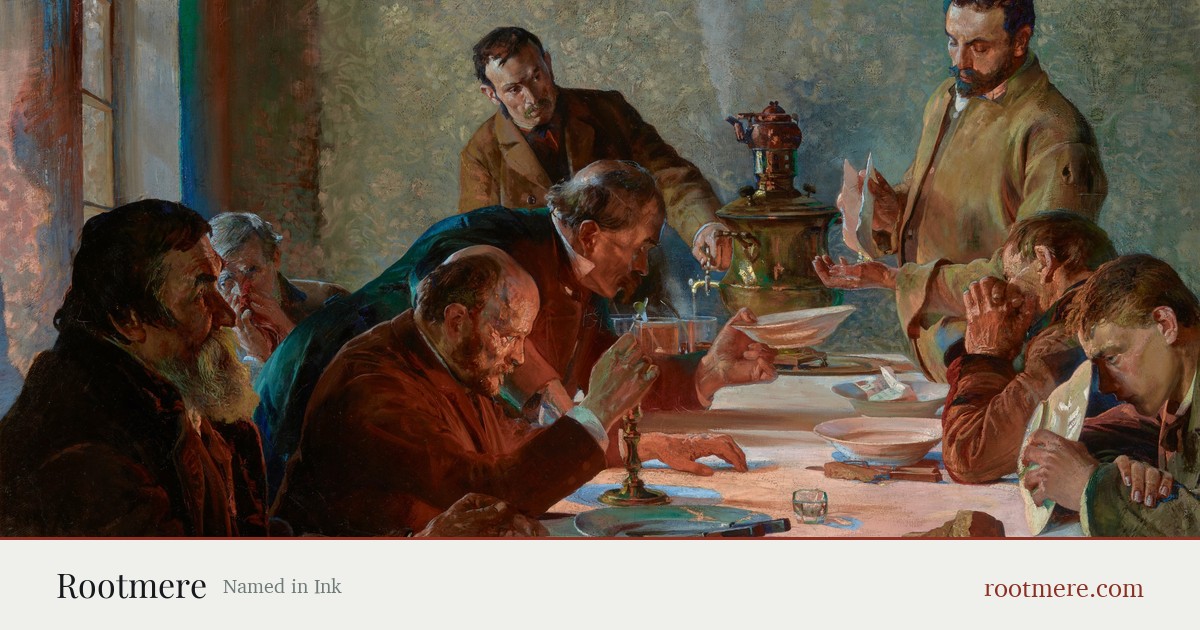
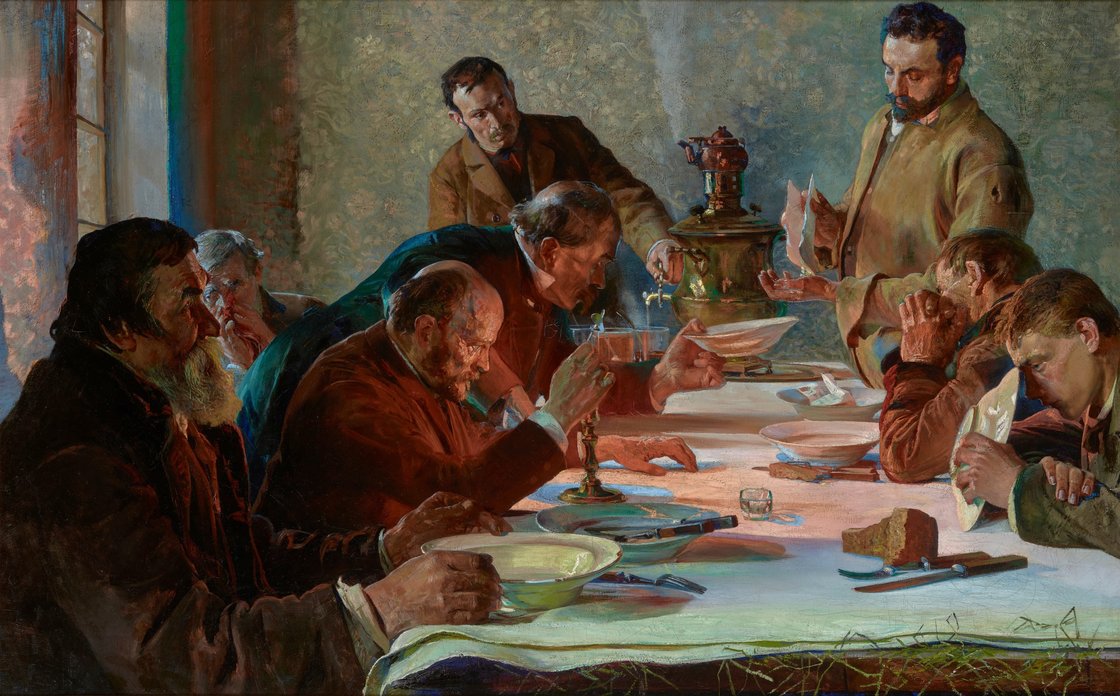
Christmas Eve in Siberia, Jacek Malczewski, 1892: Polish exiles at the Wigilia table
If your family is Polish, there's a good chance someone still lays one extra place at Wigilia. In Ukrainian homes the kutia sits out overnight after supper. Most of us were told it's for a stranger, or "for the ones who aren't here," and left it at that. But for the people who started the habit, that plate had names on it. Some of those names are still in the books.
Ask around and you'll hear a few answers. The extra place is for an unexpected guest, so nobody's alone on Christmas Eve. Or it's for the Holy Family, still looking for a room. Or it's older than both, a seat kept for the family's dead, who were thought to come home on the longest nights of the year.
The Ukrainian Holy Supper keeps the same idea closer to the surface. Once everyone has tasted the twelve dishes, the kutia is often left on the table overnight so the souls of the ancestors can have some too. Some families put a little on the windowsill instead.
None of these explanations cancel each other out. That's sort of the point. It's a plate for whoever belongs to the family and can't be there.
Who it was for
For a lot of families, it was the people who left
A Polish-American journal tells it this way: after the January Uprising of 1863, when thousands were sent east to Siberia, the empty place stopped being only about ancestors or strangers. It was set first of all for the deported. And it's not hard to see how, a generation later, the same plate came to mean the sons who'd gone to the mines in Pennsylvania or the farms in Manitoba and hadn't written in a while.
Jacek Malczewski, Christmas Eve in Siberia, 1892. Polish exiles at their Christmas Eve supper, with hay under the tablecloth just like back in the village. At home, their families were setting a plate for them. Source: Wikimedia Commons, public domain.
That's the part that gets lost. Your great-great-grandmother wasn't setting a plate for "absent loved ones" in general. She was setting it for Józef, or Hanna, or the brother who went to Hamburg and onto a ship. Two or three generations later, the plate stayed and the names dropped off.
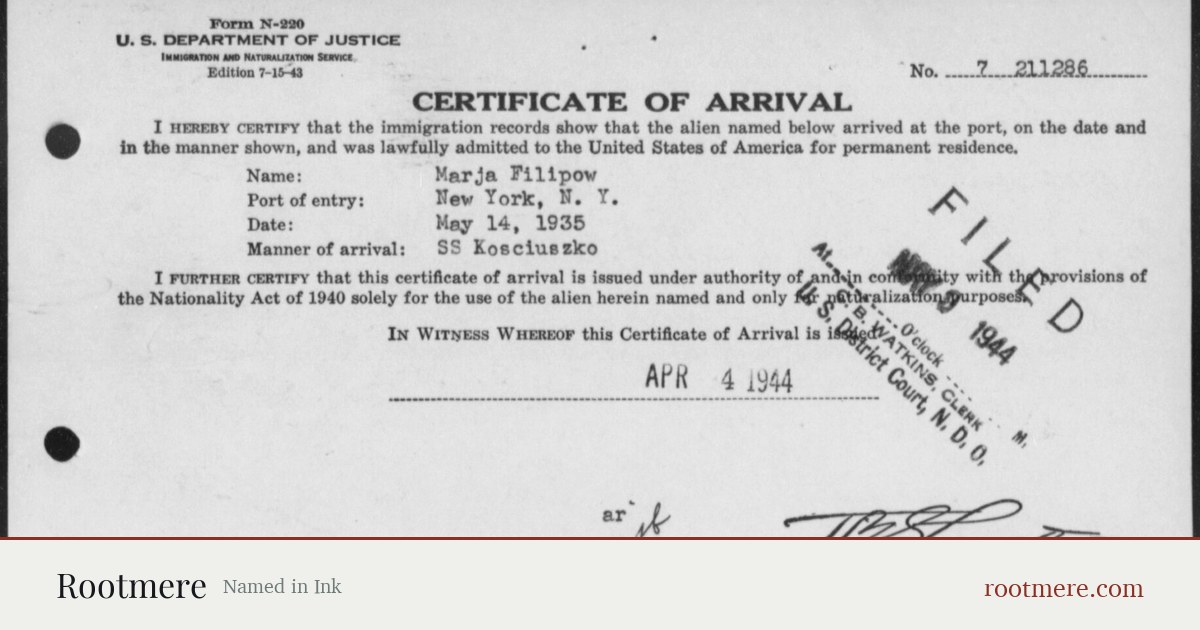
The good news is that the people the plate was meant for were written down. The ones who stayed are in the parish books of their village, baptism, marriage, death. The ones who left usually turn up on the other side too: a ship list that names who they were going to, naturalization papers that name the town they were born in. Put those together and the empty chair has a person in it again.
At your table this year
Ask who the plate was for when your grandmother was little
You don't need a big family history conversation. Christmas Eve already brings it up for you. When the extra plate goes down, ask the oldest person at the table one thing: when you were a kid, who did your parents set it for?
Sometimes you'll get a shrug. Sometimes you'll get a name you've never heard, an uncle "in America," a cousin who didn't come back from the war. Write it down that night, with whatever else comes with it: a village, a year, who his parents were. That's often enough to find him.
Be gentle with it, too. For some families that plate is still for someone who was lost in a way nobody wants to talk about over the fish. If the answer is "not tonight," that's an answer. You can come back to it in January.
If you came away with a name
Send us the name and whatever came with it
A name, a rough year, a village or even just a region is a real start. We'll tell you which books are most likely to have that person and what we'd look at first. That first answer is free. Who does your family set the extra plate for?